The Science of Interoception and Unconscious Bias in Healthcare
The Science of Interoception and Unconscious Bias in Healthcare
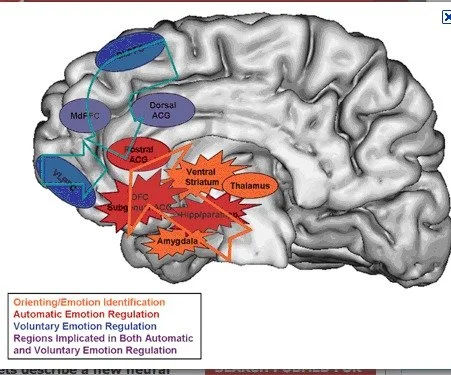
Healthcare disparities persist despite decades of evidence-based medicine initiatives and explicit commitments to equitable care. While unconscious bias among healthcare providers has been extensively documented as a contributing factor to these disparities,(1,2) the role of interoception—the perception of internal bodily signals—in shaping clinical judgment and perpetuating bias remains underexplored. This essay examines the neuroscience of interoception, its relationship to embodied cognition, and its profound implications for understanding and mitigating unconscious bias in clinical practice. By integrating research from neuroscience, clinical psychology, and healthcare equity, we argue that physicians' interoceptive awareness directly influences their capacity for empathy, clinical decision-making, and susceptibility to bias. We propose that cultivating interoceptive awareness in medical education and clinical practice represents a novel, evidence-based approach to reducing healthcare disparities and improving patient care quality.