The Architecture of Medical Horror
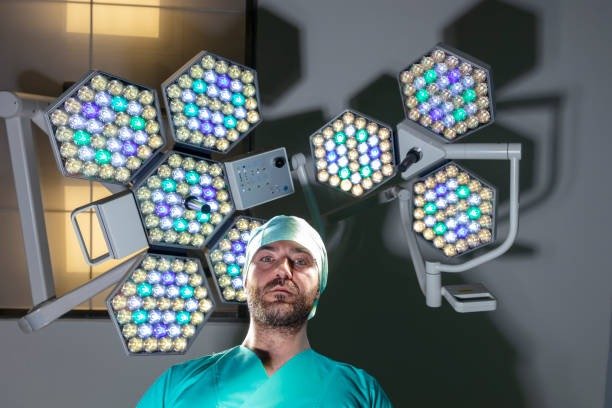
The Architecture of Medical Horror
This comprehensive review examines the psychological, sociological, and clinical dimensions of medical procedure culture, focusing on the horror and anxiety experienced by patients in increasingly technologized and depersonalized healthcare environments. Drawing on critical voices in medical humanities, sociology, and clinical medicine—including Thomas Szasz, Erving Goffman, Michel Foucault, Bruno Latour, as well as physician-scholars Arthur Kleinman, Paul Kalanithi, Atul Gawande, Rita Charon, and others—this paper interrogates how institutional medicine produces not only therapeutic outcomes but also existential dread and procedural trauma. Through analysis of empirical studies, theoretical frameworks, and clinical observations, we examine the power dynamics embedded in clinical rituals and propose evidence-based approaches toward a more humane model of medical practice that acknowledges both the healing potential and the symbolic violence inherent in contemporary procedural medicine.