The Doubting Vicar and the Heretical Healer
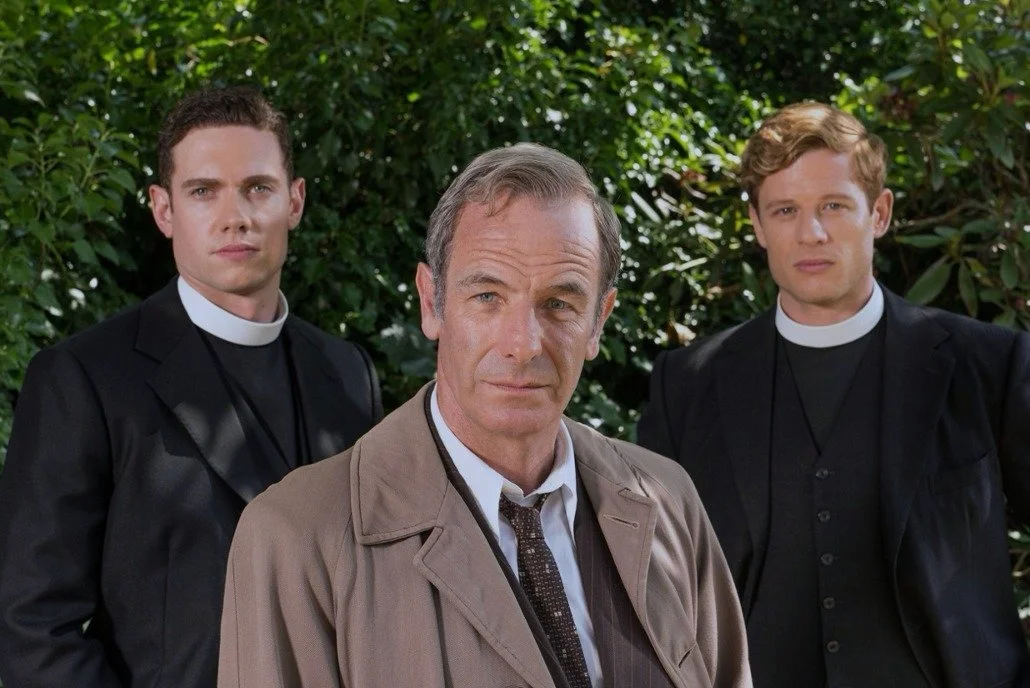
The Doubting Vicar and the Heretical Healer
There is a particular kind of religious figure who fascinates precisely because he stays. He does not resolve his doubt, does not arrive at a serene synthesis, does not depart for a more honest vocation. He remains inside the institution whose claims he can no longer fully affirm, conducting its rites, speaking its language, and bearing — visibly, sometimes catastrophically — the cost of that remaining. Sidney Chambers, the jazz-loving, whisky-drinking, war-haunted vicar at the center of James Runcie’s Grantchester, is such a figure. So, in a different idiom and a different tradition, is the physician who treats the patient as a sacred text while no longer believing the medical-theological orthodoxy that credentialed him.
This essay places these two figures in conversation. It is not an exercise in finding superficial resemblances between an Anglican television clergyman and a Jewish neurologist. It is an attempt to use the dramatic clarity of Grantchester — where the tension between mercy and law, between presence and procedure, is staged week after week in the bodies of a vicar and a policeman — as a lens through which to read my own published account of suffering, divine absence, and the therapeutic encounter. The wager is that Sidney Chambers’ departure from Anglican doctrinal confidence and my own heretical relation to Orthodox Jewish theology are structurally homologous gestures, and that both find their truest expression not in the seminary or the beit midrash but in the room where one wounded person sits with another.