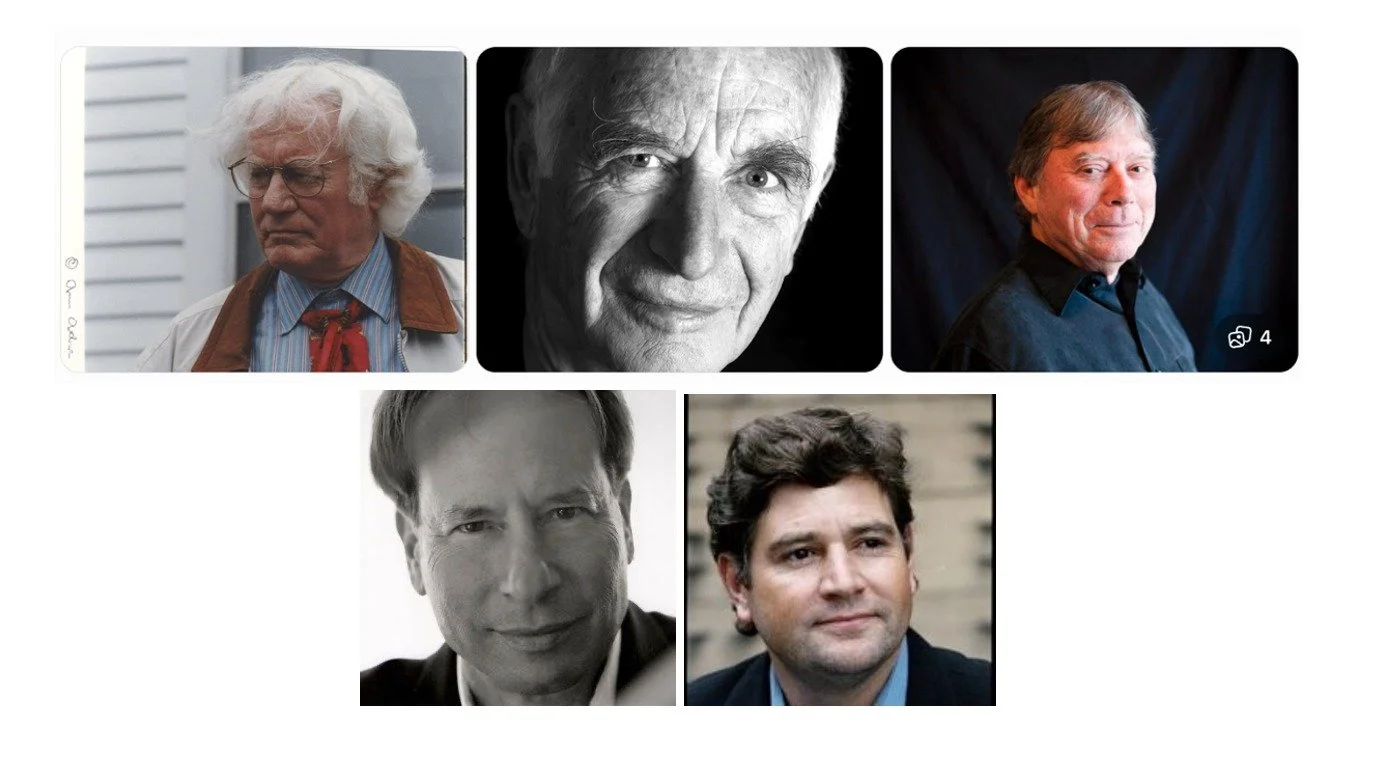
In the winter of 1993–94 a small circle of men gathered in an English field around a fire, a drum, and a body of stories. The teachers who moved through those years — Robert Bly, James Hillman, Martín Prechtel, Michael Meade, Richard Olivier — represented four incompatible epistemologies: poetry, image, ritual, and dramatic action. This essay argues that the mythopoetic gatherings of the early 1990s constituted the last sustained Western attempt to reunite poetry, depth psychology, ritual, and communal grief into a public mode of knowing, and that their dispersal was not a failure of ideas but a consequence of professional and technological reorganization. It further argues — against the movement's own self-understanding — that its central weakness was theological rather than political: it possessed a rich doctrine of the archetype and no doctrine of the broken vessel. The Lurianic categories of tzimtzum, shevirat ha-kelim, and tikkun supply what the archetypal imagination could not, and the substitution of the fracture for the archetype is what converts a mythopoetic sensibility into a clinical method. The essay closes with the personal image with which the Sussex week ended for this author, and with an account of the five transpositions by which a men's retreat in Sussex became, over thirty years, a hermeneutic medicine.