Reading the Network
Reading the Network
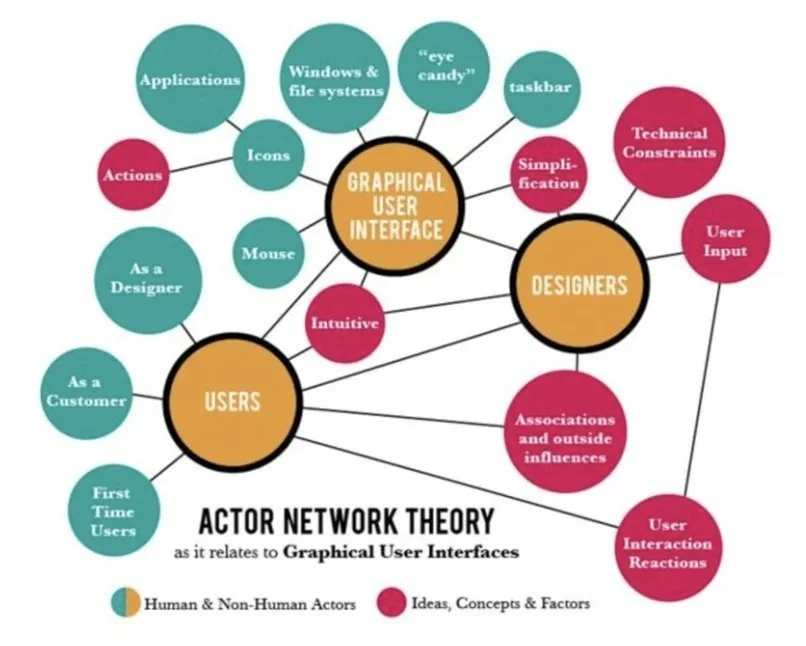
Much harm in contemporary medicine is done by networks that are competent at every node. A hospice agency, fourteen specialists, a discharge protocol and a diagnostic algorithm can each be correct on their own terms and still carry a patient toward the wrong outcome. This paper argues that Bruno Latour's actor-network theory (ANT) gives clinicians a precise vocabulary for seeing how this happens, and that a rabbinic reading discipline, which I call scientific midrash, gives them a method for undoing it.
The argument proceeds through eight cases from five decades of neurological practice, drawn from the manuscript The Broken Vessel: Hermeneutic Medicine and the Sacred Work of Healing. Each case is traced as a network: its inscriptions (charts, printouts, files), its scripts (templates, reimbursement rules, rooms), its chains of translation (referrals) and its crossings between what Latour calls modes of existence (reference, religion, organization, law). In each, the decisive reading lay outside the layer that standard care was reading. In seven cases the re-reading reduced intervention; in one it rightly demanded more.
Three contributions follow. First, Latour's own origins in biblical exegesis, where truth is kept by a disciplined chain of transformations rather than by resemblance, show that midrash and ANT share a theory of fidelity. Second, the rabbinic rule that a verse never leaves its plain sense (ein mikra yotze midei peshuto) functions as a clinical analogue of Latour's circulating reference and keeps interpretation from overriding evidence. Third, the Jewish concept of shleimut (wholeness) supplies the normative criterion that ANT, by design, withholds: it lets a clinician judge which assemblies of humans and non-humans heal and which harm.